How to Prepare Your Home for a Residential Electrician Appointment


When a residential electrician is scheduled to work in your home, a little preparation can make the visit faster, safer, and more productive. Most homeowners think the appointment begins when the electrician rings the bell. In practice, it starts earlier, with access, information, and a clear sense of what is happening in the house. Those details affect everything from troubleshooting time to the final bill.
I have seen appointments go smoothly because a homeowner had one hallway cleared, a panel uncovered, and a few notes ready. I have also seen simple jobs stretch out because the attic hatch was blocked by storage bins, no one knew which outlet had failed first, or the breaker panel was hidden behind paint cans and holiday decorations. Electrical work is precise work. The easier you make it to inspect, test, and move around safely, the better the experience tends to be for everyone involved.
Preparing for the appointment does not mean you need technical knowledge. You do not need to diagnose a faulty circuit or open anything electrical. Your role is more practical than that. You are helping create a clean path for safe work, reducing delays, and giving the electrician the information needed to solve the right problem the first time.
Start with the reason for the visit
Before you think about moving furniture or finding the electrical panel key, pause and define why the appointment was booked. That sounds obvious, but many calls begin with something broad like “the power is acting weird” or “a few things stopped working.” The more specific you can be, the better.
If a bathroom light flickers only when the exhaust fan runs, say that. If one kitchen outlet stopped working after you plugged in a toaster oven, mention it. If breakers trip only on hot afternoons when the portable AC is on, that pattern matters. Electricians often solve problems by following cause and effect, and details that seem minor to a homeowner can be the thread that leads to the actual fault.
It helps to think in terms of timing, scope, and symptoms. When did the issue start. Is it one room or several. Does it happen constantly or only sometimes. Are there scorch marks, buzzing sounds, warm switch plates, or a smell like melting plastic. Those observations are useful because they can point toward overloads, loose connections, failing devices, or moisture-related issues.
For upgrade work, such as adding recessed lights, replacing a panel, installing a ceiling fan, or preparing for an EV charger, preparation looks a little different. In those cases, the appointment may involve measuring, discussing routing paths, checking service capacity, or reviewing local code considerations. Being ready to talk through your goals can save a second visit.
Make access easy, especially to the panel
The electrical panel is the first place many electricians need to inspect. Even if the issue seems limited to one outlet or one light fixture, the panel often provides clues about circuit layout, breaker condition, available capacity, and past modifications. If the panel is in a garage, basement, utility room, or closet, clear the area before the appointment.
A practical rule is to create enough open space for a person to stand, work, and open the panel door fully without twisting around stored items. In many homes, that means moving shelves, paint cans, sports gear, or stacked boxes. If the path to the panel is narrow or cluttered, clear that too. Electrical work often involves carrying tools, testing equipment, ladders, or replacement parts. A two-minute delay repeated several times becomes real lost time.
The same idea applies to any area tied to the job. If the electrician will inspect a bathroom fan, make sure the vanity top is not covered in fragile items. If the issue is in a bedroom, move small furniture away from the suspect outlet or switch. If the work is in the attic or crawlspace, uncover the access point. I once saw a service call lose twenty minutes because the attic hatch was buried under six vacuum-sealed bags of winter clothes and a treadmill folded against the wall. No one had done anything wrong on purpose, but the job started with unnecessary friction.
If there are locked gates, alarm systems, or pets in the yard, address those in advance too. Exterior outlets, service equipment, landscape lighting transformers, and detached garages can all be part of the visit.
Know what may need to be powered down
Some electrical appointments require temporary shutdowns. That might affect lights, refrigeration, internet service, medical devices, garage door openers, home offices, or HVAC controls. A residential electrician will usually explain what needs to be turned off and for how long, but it helps if you have already thought through the impact.
Panel replacements and major circuit work can mean a significant outage, sometimes several hours depending on the scope and coordination required. Troubleshooting a single outlet may only involve a brief breaker test. If someone in the home works remotely, attends online classes, or relies on electrically powered medical equipment, mention that before the day of service. The electrician may be able to stage the work differently or advise you on a safer time window.
Refrigerators and freezers usually tolerate short outages well if left closed, but chest freezers packed with food will hold temperature better than half-empty upright units. Routers, alarm systems, and smart home devices may need time to reboot. If you have a sump pump in wet weather, that deserves special attention. The key point is not to panic, just to plan.
Gather the information that helps without trying to self-diagnose
A good service visit often depends on simple homeowner observations rather than technical explanations. You do not need to say, “I think the neutral is loose.” It is far more useful to say, “The dining room light dims when the microwave starts,” or “This breaker has tripped three times this month and it used to never trip.”
If you have receipts, permits, or notes from prior electrical work, keep them handy. That is especially useful in older homes where circuits may have been extended or relabeled over time. If a panel was upgraded five years ago, if a hot tub circuit was added, or if part of the basement was finished by a previous owner, mention it. Homes tell stories through their wiring, and not all those stories are obvious from the panel directory.
Photos can help too, especially if an intermittent problem occurred at a time when no one could explain it clearly. A picture of a tripped breaker, a burned plug, a GFCI that will not reset, or a fixture hanging loose can give context. Just do not take risky photos by opening devices or removing covers. Stay on the safe side.
Check a few basic things first, carefully
There is a difference between sensible pre-checks and amateur electrical work. Sensible pre-checks include testing whether a GFCI outlet needs resetting, verifying whether one breaker is visibly tripped, and noting which rooms or devices are affected. Anything beyond that is best left alone.
Here is a useful homeowner checklist before the appointment:
- Test nearby GFCI outlets in kitchens, bathrooms, garages, basements, and exterior locations, because one tripped device can disable other outlets downstream.
- Look at the breaker panel to see whether any breaker sits in the middle tripped position, but do not remove the panel cover.
- Note which lights, switches, outlets, or appliances are affected, and whether the issue is constant or intermittent.
- Unplug electronics or appliances connected to the problem circuit if they may interfere with testing.
- Write down unusual signs such as buzzing, warmth, odor, sparking, or recent moisture exposure.
That short review often saves time, but it also helps you speak clearly when the electrician arrives. If the problem turns out to be a failed GFCI or a nuisance trip from a specific appliance, great. If not, those observations still narrow the field.
Create a safe work area
Safety is not only the electrician’s responsibility. The home environment matters. Slippery floors, loose rugs on stair landings, dim basements, aggressive pets, and crowded utility spaces all increase risk. Most service professionals are good at adapting, but a well-prepared area makes a real difference.
Pets should be secured before the appointment begins. Even friendly dogs can become protective around tool bags, ladders, or strangers moving room to room. Cats tend to be less obvious but just as disruptive, especially if doors to crawlspaces, attics, or exterior areas are being opened. If a pet startles the electrician on a ladder or while handling a fixture, the risk is not theoretical.
Children should also be kept clear of active work zones. Curiosity and electrical service do not mix well. If the job involves multiple rooms, it can help to know in advance which areas need to stay clear so you can adjust the household routine.
Lighting matters more than homeowners often realize. If a basement bulb is burned out or the panel area is dim, replace the bulb if you safely can before the visit. If not, mention it. A residential electrician will have task lighting, but better visibility always improves inspection and reduces strain.
Be ready for a broader diagnosis than the symptom suggests
One of the most common homeowner assumptions is that the visible problem is the only problem. Sometimes that is true. A dead switch may just be a dead switch. But electrical issues often travel upstream or downstream. The failed outlet in the spare bedroom could stem from a tripped GFCI in the garage. The bathroom fan issue might actually be a shared neutral problem affecting multiple fixtures. The breaker that “suddenly went bad” may be responding correctly to an overloaded circuit that has gradually accumulated too many devices.
That is why electricians ask questions that can seem unrelated at first. They may want to know whether the lights flicker elsewhere, whether any remodeling was done, whether the issue started after a storm, or whether a large appliance was recently installed. Homeowners sometimes worry the conversation is drifting. Usually it is not. Good troubleshooting is methodical, and the symptom you notice may be two steps removed from the real source.
Older homes deserve special mention here. In houses built decades ago, it is not uncommon to find a mix of original wiring, later additions, partial upgrades, and labels that no longer match reality. If your home has aluminum branch wiring, ungrounded receptacles, cloth-insulated wiring, or a panel with a complicated history, expect the appointment to involve some detective work. That is not inefficiency. It is caution and competence.
Prepare for estimate conversations if the scope may expand
Not every electrical appointment ends with a quick repair. Sometimes the electrician finds a larger issue or identifies options that deserve consideration. A simple example is a failed outlet in a kitchen that reveals the need for GFCI protection updates. Another is a bathroom exhaust fan replacement that uncovers inadequate box support or brittle wiring. In those moments, homeowners appreciate being prepared to discuss cost, timing, and priorities.
If your appointment could lead to additional work, think about your decision-makers ahead of time. If you need a spouse, co-owner, landlord, or property manager involved, let them know in advance. It is frustrating for everyone when the electrician has diagnosed the issue, explained the remedy, and is ready to proceed, but approval is stuck in a text thread for an hour.
It also helps to know your own priorities. Are you focused on restoring function today. Are you trying to solve a recurring issue permanently. Are you considering upgrades for safety, resale, or convenience. There is often more than one valid path. A professional will usually explain trade-offs, but the final choice depends on what matters most in your home.
Think through parking, entry, and logistics
This part is easy to overlook, especially in busy households or dense neighborhoods. If parking is limited, try to reserve a practical spot close to the entrance. Electricians often carry ladders, conduit, wire, testers, vacuums, and replacement devices. A long carry through a crowded lot is not impossible, but it adds time and annoyance.
If your building requires gate codes, elevator access, loading rules, or advance notice to management, handle that before the appointment. In condos and townhomes, this can matter a lot. Some jobs stall not because of the electrical issue, but because there is no way to bring in a ladder or reach a locked electrical room.
If someone other than you will be home, make sure they can explain the issue and authorize the work, or at least know how to contact you quickly. A surprising number of service calls begin with, “I’m just here to let you in, I don’t really know what’s wrong.” That can still work, but it is far less efficient.
Avoid the urge to do last-minute electrical tinkering
Many homeowners feel tempted to “help” before the electrician arrives by swapping outlets, removing light fixtures, or opening switch plates to have a look. That usually creates more problems than it solves. At best, it removes clues. At worst, it introduces new hazards, loose connections, mislabeled conductors, or missing parts.
If something seems unsafe, such as an outlet that is hot to the touch or a visible spark, the right move is usually to turn off the relevant breaker if you can identify it safely, stop using the device, and wait for the electrician. Do not keep resetting a breaker repeatedly to see if it “sticks.” A breaker that trips once may indicate a nuisance issue. A breaker that trips repeatedly is telling you something important.
Professionals prefer seeing the problem as it occurred naturally. That gives them the best chance of finding the root cause rather than chasing changes made an hour earlier.
On the day of the appointment
By the time the service window arrives, preparation should feel straightforward rather than elaborate. The house does not need to be spotless. What matters is function, safety, and communication.
A simple day-of routine looks like this:
- Clear the route from the entrance to the panel and all work areas.
- Secure pets and keep children away from active rooms.
- Have your notes ready, including when the problem started and what you have observed.
- Be available for questions, especially during troubleshooting or before any additional work is approved.
- Expect some noise, brief interruptions, and the possibility that the initial symptom points to a different underlying issue.
That last point matters. Good electrical service is not just replacing a part. It is confirming why the failure happened, whether other conditions are involved, and whether the repair is safe and code-appropriate. Sometimes that takes ten minutes. Sometimes it takes careful testing across several locations.
What a prepared home looks like from the electrician’s side
Homeowners often ask whether these preparations really matter. They do. From the electrician’s perspective, a prepared home usually means the work starts sooner, the diagnosis is cleaner, and the chance of misunderstandings drops sharply.
Imagine two versions of the same appointment. In the first, the panel is blocked, the homeowner is unsure which room lost power first, a dog is weaving around the ladder, and the bathroom GFCI hidden behind storage was never checked. In the second, the panel is accessible, the affected outlets are identified, the homeowner can say the issue began after a storm, and the work area is clear. The technical problem might be identical, but the second visit is likely to be shorter, safer, and less stressful.
That can translate into lower labor time, quicker restoration of power, and a better final result. It also gives the electrician room to notice things that deserve your attention, such as a mislabeled circuit, an overfilled box, or a failing breaker that has not yet caused a visible problem.
Special situations worth mentioning before the appointment
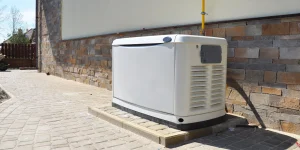
Some homes have conditions that should be disclosed early because they affect how the electrician prepares or what equipment may be needed. If your home has knob-and-tube wiring, aluminum wiring, a Federal Pacific or Zinsco panel, a standby generator, solar equipment, or recent water intrusion, say so when confirming the appointment. The same goes for ongoing renovations, pest activity in the attic, or access limitations in a crawlspace.
These are not details to hide out of embarrassment. They are part of the job context. Experienced electricians would rather know in advance and arrive prepared than discover a constraint halfway through the visit.
If permits may be involved, particularly for service changes, panel replacements, or major additions, ask about that upfront as well. Requirements vary by location https://marcozxqv173.lucialpiazzale.com/how-a-residential-electrician-can-help-before-selling-your-home and by scope. What matters is clarity. No one likes learning late in the process that the work requires utility coordination or inspection scheduling.
The goal is not perfection, it is a smooth, safe visit
Preparing for a residential electrician appointment is mostly about respect for the work and common sense in the home. You are clearing access, reducing hazards, organizing observations, and making it easier for a skilled person to do skilled work. That preparation does not take long, but it often changes the quality of the visit.
If you remember only a few essentials, remember these: make the panel accessible, secure pets, know what the problem has been doing, and expect that the electrician may need to look beyond the most obvious symptom. Those four habits solve a surprising number of avoidable appointment issues.
Electrical service in a home is one of those areas where small details matter. A clear path, a good description, and a safe workspace can be the difference between a rushed patch and a confident repair. When the appointment starts that way, everyone benefits, especially you.
Paxos Electric Company, LLC
255 NJ-15, Wharton, NJ 07885, United States
+1 973-598-8543
FAQ About Residential Electrician
What does a residential electrician do?
A residential electrician installs, inspects, maintains, and repairs electrical systems in homes. Common services include troubleshooting circuits, replacing panels, adding outlets and lighting, and completing electrical work for renovations.
When should I call an electrician for my home?
Call a licensed electrician if you notice repeated breaker trips, flickering lights, buzzing, burning odors, warm outlets, sparks, or unexplained power loss. Urgent warning signs should be addressed promptly.
Can a residential electrician upgrade an electrical panel?
Yes. A qualified electrician can evaluate the existing service, determine whether an upgrade is appropriate, obtain required permits, and install a panel sized for the home and planned electrical loads.
Do I need an electrician to install an EV charger?
A home EV charger often needs a dedicated circuit and a review of panel capacity. A licensed electrician can confirm the manufacturer requirements and complete the installation according to local electrical codes.